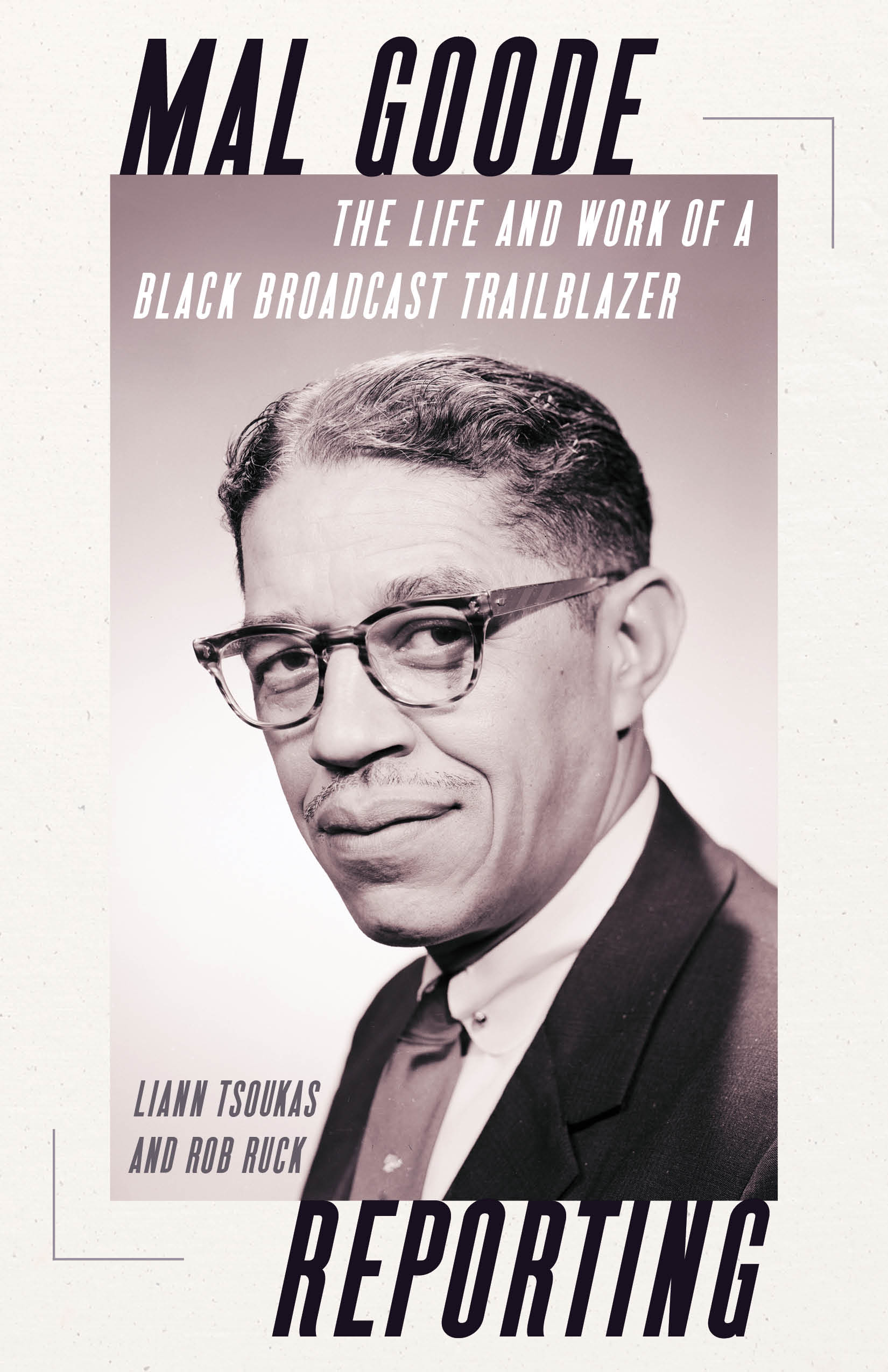
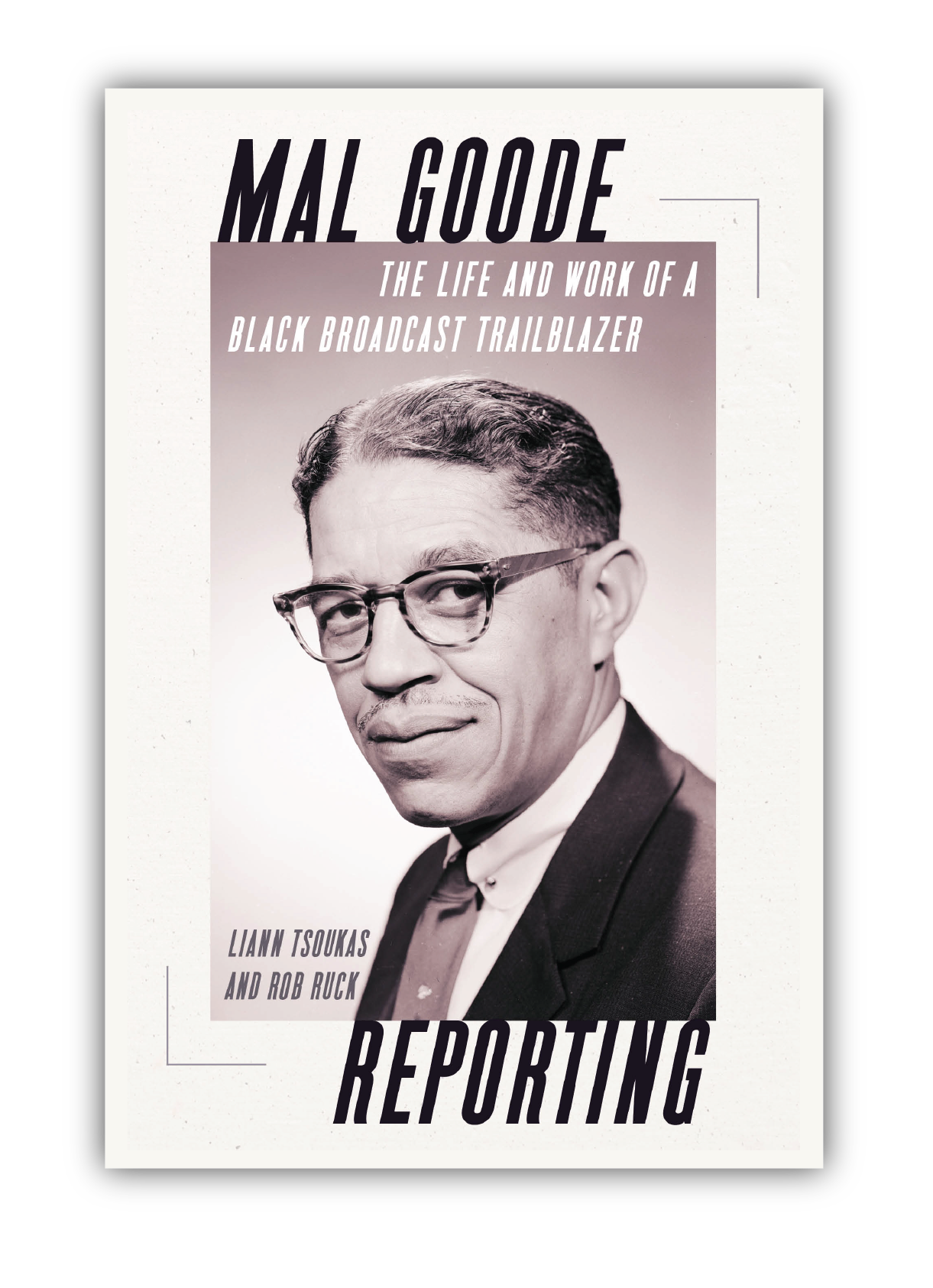
Mal Goode broke television’s color line when he became the first national correspondent for a network, debuting on ABC amidst the Cuban Missile Crisis in 1962. A rare mix of fiery activism and journalistic gravitas, Goode afflicted the comfortable and comforted the afflicted until his death in 1995.
Mal Goode’s roots were in slavery, sharecropping, and segregation. His parents came to Pittsburgh during the Great Migration, where his father worked at the Homestead Steel Works. So did Mal, who worked nights at the mill while studying at Pitt. He and his wife Mary Lavelle settled on the Hill, which was often called the crossroads of the world. A juvenile probation officer, the Boys Director at the Centre Avenue YMCA, and the manager of a housing project, Mal later joined the Pittsburgh Courier. That propelled Mal on to local radio, where he was a fierce advocate for the black community.
Growing up across the street from the Veney brothers who formed the Homestead Grays, Mal remained close to the sporting scene. After the major leagues integrated, black and Latin ballplayers on the road often felt uncomfortable in downtown restaurants. But in Pittsburgh, Mal and Mary hosted them for sumptuous meals and the chance to relax. Mal’s close friends Jackie Robinson and Henry Aaron considered him their mentor. After he retired, Robinson pushed ABC to hire a black correspondent for its national broadcast and lobbied for Mal to get the job.
And in late October 1962, when ABC broke into programming with updates on the missile crisis, Mal Goode, a tall, distinguished looking African American calmly delivered one report after another with the United Nations building looming behind him. The world had never come so close to nuclear warfare, nor had a black man conveyed breaking news for a national network. The threat of war soon faded, but Mal wasn’t going anywhere.
Mal Goode led the vanguard of black correspondents who slowly gained purchase in network news. “As a journalist,” veteran broadcaster Bernard Shaw said, “he had the calmness of a church deacon and the probing mind of a drill instructor. This man was a journalistic patriot and an American patriot.” Mal pushed media to pay attention to the needs and concerns of black America during decades of protest and change, sustaining his activism well into his 80s. When he died, the Pittsburgh Courier wrote: “Before Martin, before Malcolm, there was Mal Goode.”